This week, we continued our unit on weather and clouds. First, we went through the different cloud types.
Cirrus clouds are thin, wispy clouds that are very high up in the sky.
Cumulus clouds are puffy clouds that are pretty low in the sky. Stratus clouds are flat, layered clouds that are low in the sky. And cumulonimbus clouds are storm clouds that start low in the sky and quickly grow very tall. Nimbostratus are flat rain clouds, and stratocumulus are flat but a little puffy. Alto cumulus are small, puffy clouds higher up than normal cumulus, and cirrocumulus are tiny puffy clouds very high up in the air. Lastly, cirrostratus are very high layered clouds that basically make a halo around the sun.
Next, we talked about how
thunderstorm clouds form and become a thunderstorm. Basically, warm, moist air rises quickly and forms big puffy clouds (
cumulonimbus clouds). At a certain point, enough water has settled that it starts to rain. A typical thundercloud has strong winds around it, and often lightning and thunder. We watched this movie for more information.
So we moved on to the topic of lightning and why it happens. This video was a very good explanation of how lightning happens and the different kinds of lightning.
Next, we moved onto tornadoes. Tornadoes are something seen primarily in the United States, and specifically the middle section of the US is called Tornado Alley because so many tornadoes form there.
Here's a map of Tornado Alley. Basically, when warm air from the Gulf of Mexico hits cold air from Canada, thunderclouds form and some of them have a rotation inside the cloud.
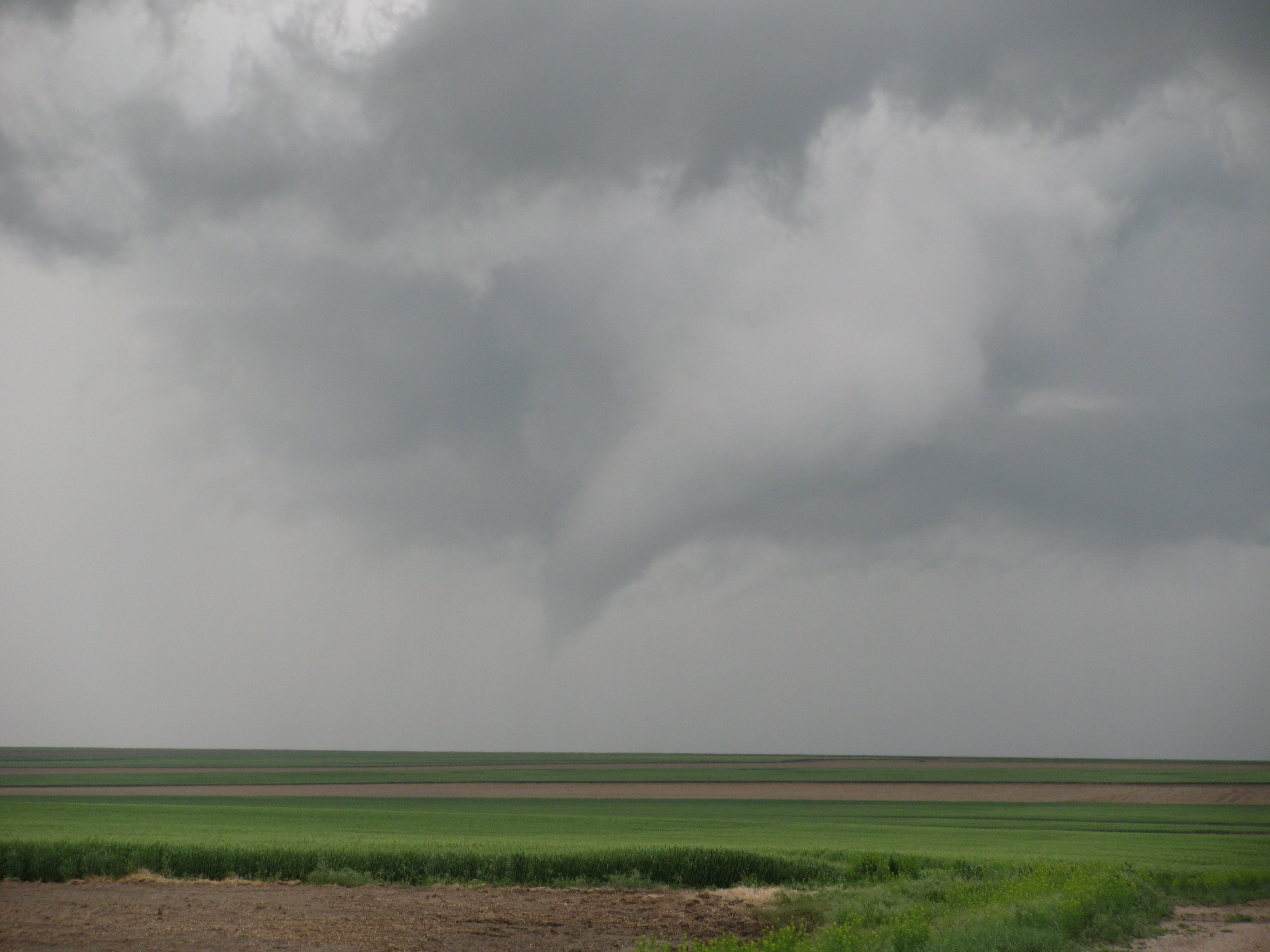
That rotation can get very strong, and then it can send down a funnel cloud.
If that funnel cloud touches the ground, it becomes a tornado, and it can cause great damage. There is a scale of severity of tornadoes, and the highest level is F5, which can smash houses completely. It can be unpredictable when a tornado will strike, but people recognize when the weather is likely to cause a tornado, which is a tornado watch. Sirens go off, and people should find a safe place to be, away from windows and as low as possible (and indoors). A tornado warning is when tornadoes have been seen in the area, so another could form at any moment.
Here is the movie we watched about tornado formation.



No comments:
Post a Comment